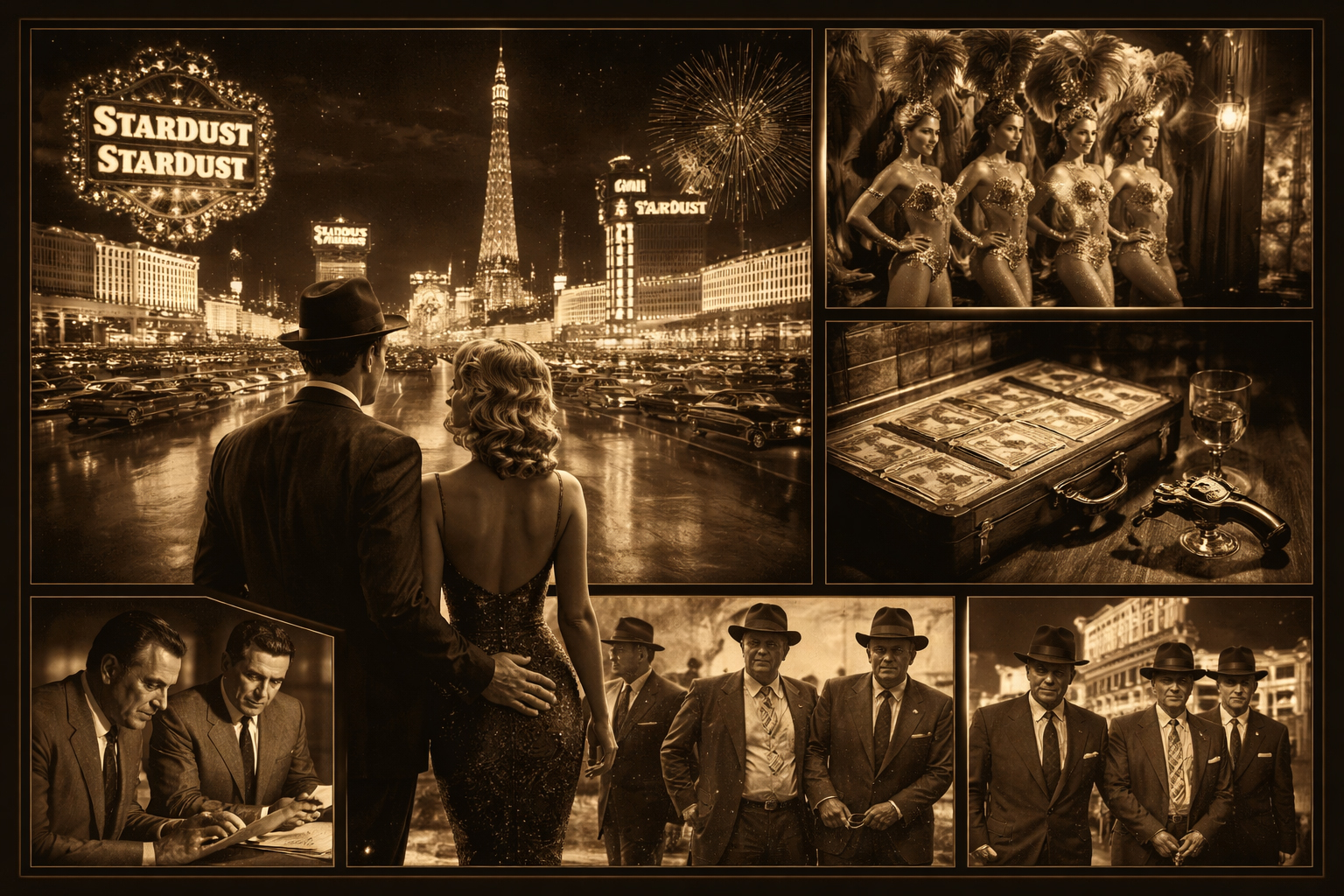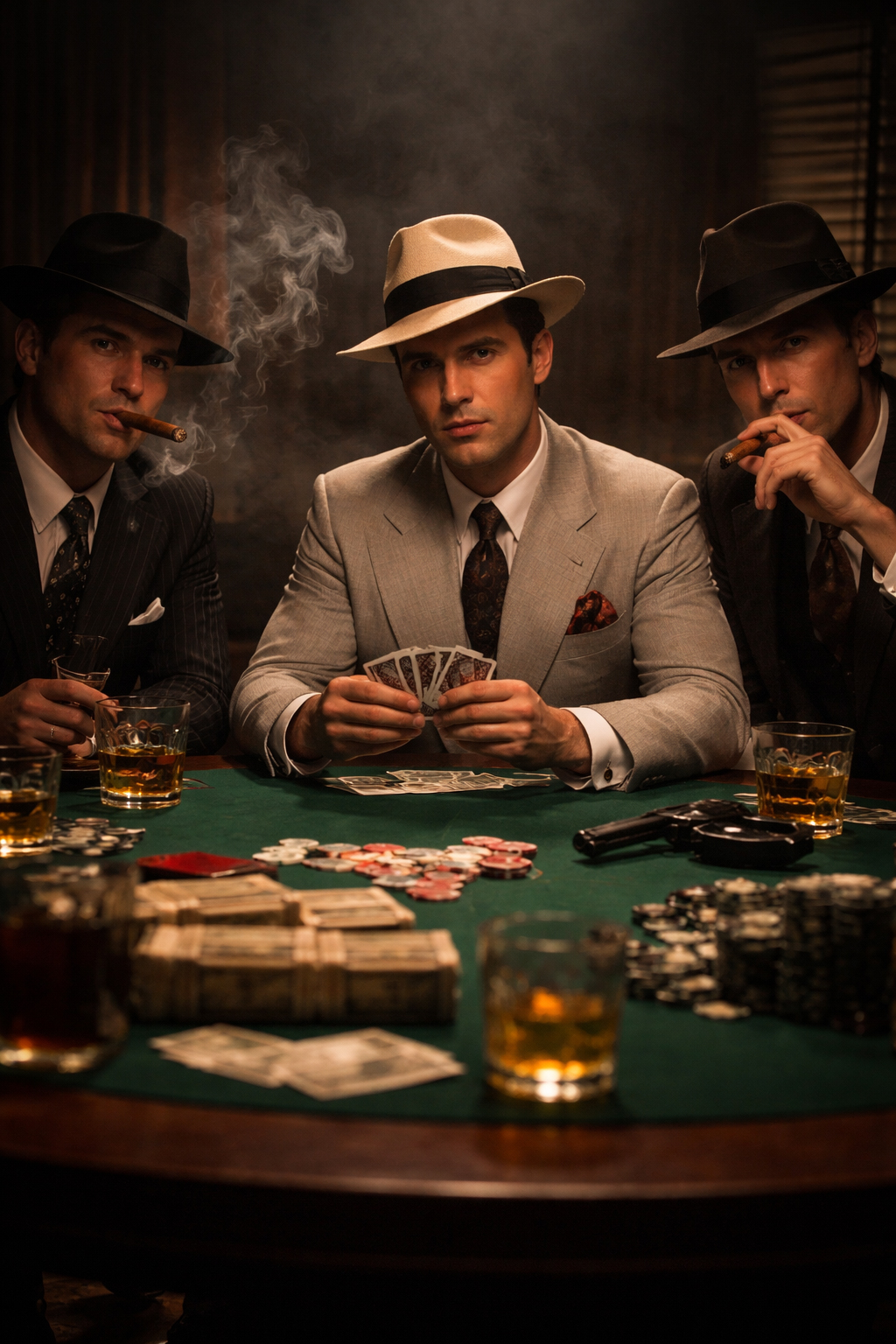
ベガスの gangster myth が強いのは、
全部が嘘だからではない。
一部の真実が、あまりに映画向きだったからだ。
ラスベガスについての最も雑な言い方の一つは、 “昔の Vegas は mob の街だった” です。 たしかに organized crime の影響は real でした。 Nevada の gaming regulators も、FBI も、その問題を公式史の中で認めています。 :contentReference[oaicite:6]{index=6} しかし、そこから “したがって Vegas history はほとんど mob history である” と飛ぶと、途端に雑になります。
歴史の現場では、もっと層があります。 影響のある人物がいた。 影響のある投資や skimming の問題があった。 その一方で、Nevada は gaming を increasingly regulated industry に変え、 excluded persons 制度や suitability review を使って、 誰が casino economy に入れるかを厳しく管理していった。 :contentReference[oaicite:7]{index=7}
第一に、gangster myth は “ゼロから作られた嘘” ではない
まず大前提として、 Las Vegas の mob story には現実の芯があります。 FBI Las Vegas の公式 history は、organized crime が長く issue だったこと、 1960年代に gaming industry への mob influence を調査していたこと、 1970年代に racketeering laws と undercover techniques を使ったことを明示しています。 :contentReference[oaicite:8]{index=8}
organized crime influence は real だった
州や連邦の公式史がわざわざ記す以上、問題は単なる都市伝説ではありません。 :contentReference[oaicite:9]{index=9}
regulators もそれを前提に動いた
Gaming Control Board の創設目的に “undesirable elements” 排除が入っていること自体が証拠です。 :contentReference[oaicite:10]{index=10}
しかし“全部が mob” ではない
ベガスの発展をすべて mob で説明するのは、産業史・規制史・観光史を見落とします。 :contentReference[oaicite:11]{index=11}
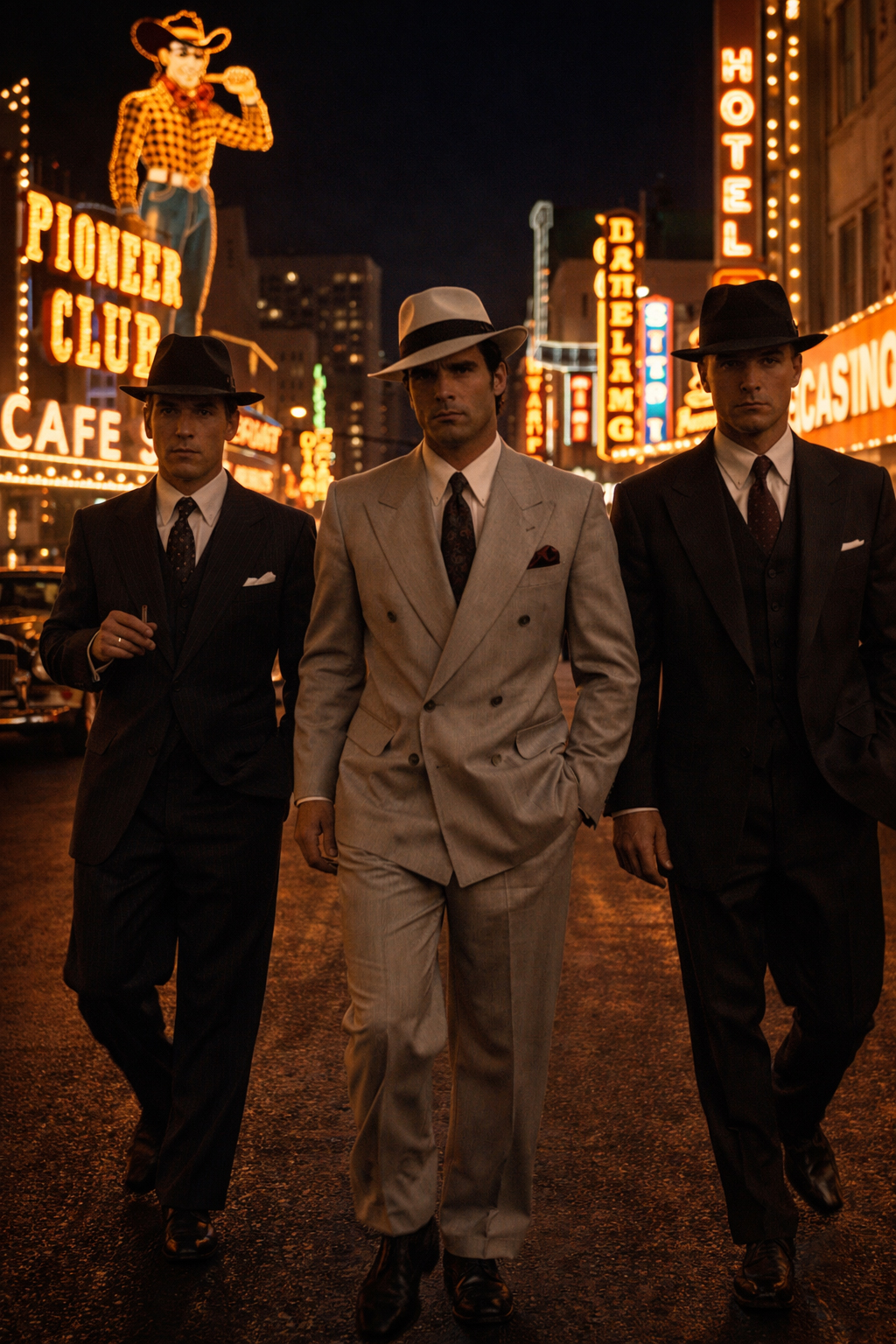
第二に、Bugsy Siegel は神話の中心だが、歴史の中心ではない
gangster myth を語るとき、もっとも有名なのは Bugsy Siegel です。 しかし current Mob Museum article は、彼の Las Vegas への影響が “vastly overstated” だとかなり明確に書いています。 さらに UNLV の Larry Gragg 論文も、Bugsy をめぐる mythology が事実を覆い隠してきたと論じています。 :contentReference[oaicite:12]{index=12}
第三に、“mob era” の本質は crime drama より industry control の問題だった
popular memory では、mob story は gun, skim, suit, betrayal の話になります。 しかし制度史として見ると、 もっと重要なのは **誰が license を持てるか** です。 Nevada Gaming Commission regulations には investigative hearings, subpoenas, notices などが並び、 gaming が ordinary business ではなく、継続監督を前提とした industry であることが分かります。 :contentReference[oaicite:15]{index=15}
つまり Vegas の historical reality は、 “ギャングがいたかどうか” より、 “州が gaming participation を increasingly conditional にしたかどうか” のほうが重要です。 そこに law enforcement, regulation, and suitability の話が入ってくる。 :contentReference[oaicite:16]{index=16}
神話の読み方
派手な人物、暗い部屋、裏金、裏切り、殺し。 個人の drama が中心になる。
歴史の読み方
licensing, suitability, exclusion, investigative pressure, capital transition。 制度の動きが中心になる。 :contentReference[oaicite:17]{index=17}
第四に、Nevada は “神話” を消すより “industry” を作り替えた
UNLV の “Keeping It Clean” 論文は、Nevada の gaming regulation が excluded persons list、いわゆる Black Book を含めて、人物を industry から切り離す constitutional and administrative mechanism として機能したことを示しています。 :contentReference[oaicite:18]{index=18}
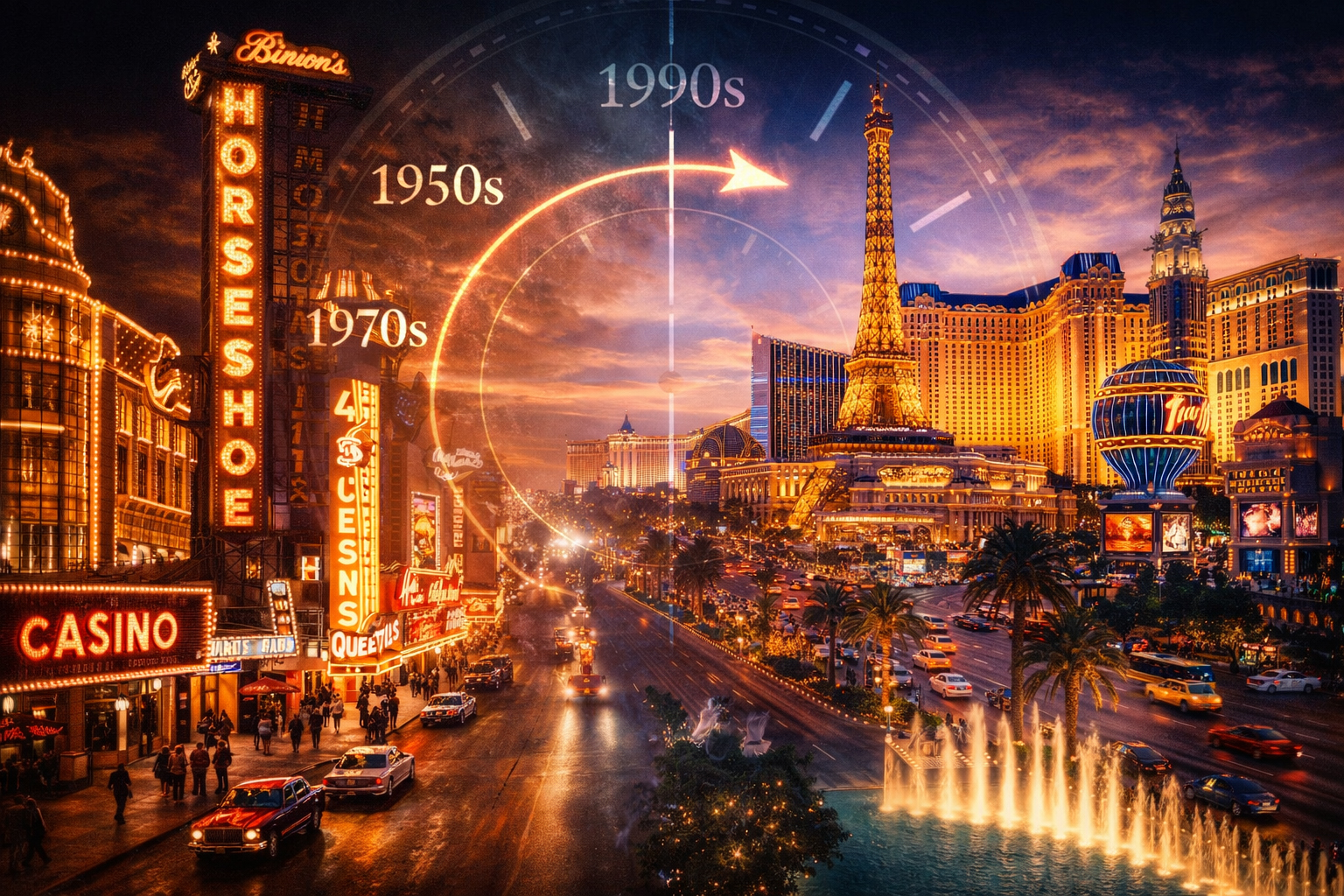
これは重要です。 Nevada は mob myth を全消ししたわけではありません。 代わりに、gaming business の entry conditions を厳しくして、 industry 自体を “cleaner” に見せられる構造へ変えていった。 その結果、corporate gaming が入りやすくなり、Vegas は megaresort and entertainment era へ進みます。 :contentReference[oaicite:19]{index=19}
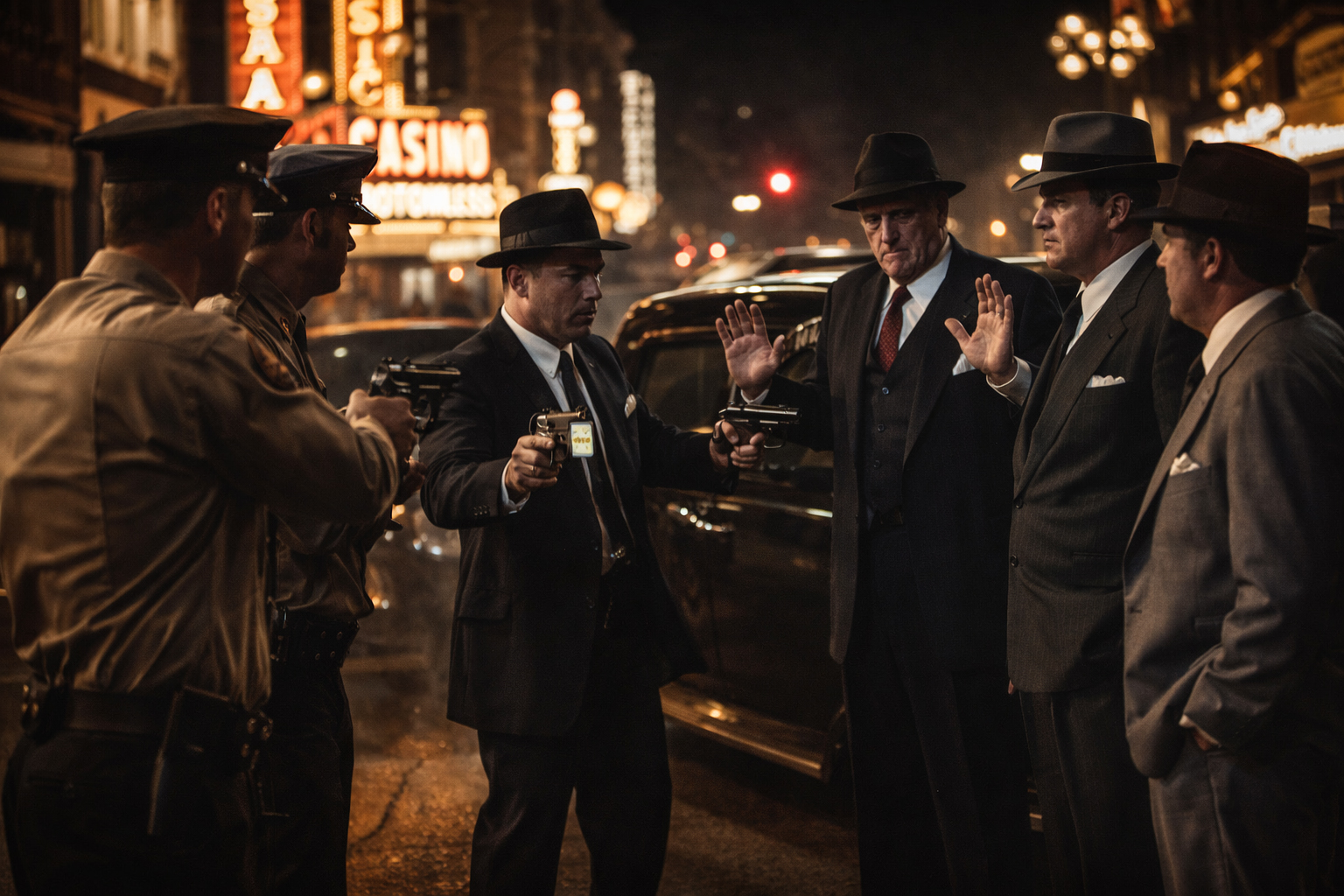
第五に、gangster myth は “観光都市にとって都合のよい過去” として生き残った
ここが Vegas らしいところです。 organized crime influence を現実の industry から薄めていく一方で、 都市は noir memory を保存します。 Mob Museum の記事自体が、Hollywood’s creative license が misinformation を増やしたと認めつつ、 その myth が非常に強く流通していることを示しています。 :contentReference[oaicite:21]{index=21}
つまり gangster myth は、 historical accuracy の敗北ではなく、 tourism-era storytelling の勝利でもあります。 Vegas は clean corporate image を必要とした。 しかし同時に、dangerous old glamour も手放したくなかった。 だから myth は完全には消えず、再商品化される。 :contentReference[oaicite:22]{index=22}
mob influence が問題化される時代
Organized crime の影響が現実の issue であり、gaming と結びつけて論じられる。 :contentReference[oaicite:23]{index=23}
regulatory state の形成
Gaming Control Board、excluded persons、investigative powers が gaming を increasingly controlled にする。 :contentReference[oaicite:24]{index=24}
industry は clean image を強める
Corporate capital と megaresort era が強まり、mob influence の real scope は縮小する。 :contentReference[oaicite:25]{index=25}
myth は文化商品として残る
Noir imagery と gangster narrative は、歴史の簡略版として観光・大衆文化に残り続ける。 :contentReference[oaicite:26]{index=26}
では、“Vegas was built by gangsters” はどれくらい正しいのか
一番誠実な答えは、 **少し正しいが、全体としては不正確** です。
一部の人物や資金、影響、犯罪的関与は real でした。 しかし Las Vegas を “gangsters built it” の一文で終わらせると、 railroad town としての始まり、1931年の legal gambling、Hoover Dam era、resort capital、showroom culture、regulatory state、corporate transition など、もっと大きな力を消してしまいます。 :contentReference[oaicite:27]{index=27}
gangster myth が強い理由
- 個人 drama にしやすい
- noir visual mood と相性がいい
- Hollywood が反復した
- “old Vegas” nostalgia と結びつく
- 善悪の物語に圧縮しやすい
historical reality が複雑な理由
- 州規制と連邦捜査が絡む
- industry structure の変化が大きい
- licensing と suitability が鍵になる
- corporate capital の役割が大きい
- myth と archive が同時に残る
本当に秘密っぽい結論。gangster myth が長持ちするのは、Vegas が “危うい glamour” を今も必要としているからだ
これが最後の核心です。 gangster myth が残るのは、 ただ人々が無知だからではありません。 **Vegas という都市が、clean respectability だけでは少し物足りないから** です。
Corporate gaming は必要だった。 regulation も必要だった。 しかし観光都市としては、少し危ない、少し shadowy、少し old-school な glamour も残しておきたい。 だから myth は消えない。 ただし歴史家としては、その myth を楽しみつつ、 何が actual power structure で、何が later storytelling なのかを分けて読むべきです。 :contentReference[oaicite:28]{index=28}
Vegas の gangster myth は、
全部が嘘だから残るのではない。
真実の一部が、いまも都市の glamour に役立つから残るのだ。
最終まとめ
- 神話の一部は real: organized crime influence は、州規制と FBI 公式史の両方に現れる。 :contentReference[oaicite:29]{index=29}
- しかし神話は過剰化された: 特に Bugsy Siegel の役割は popular culture で大きく盛られがちだと、UNLV と Mob Museum の両方が示している。 :contentReference[oaicite:30]{index=30}
- 歴史の核心: Nevada は licensing, exclusion, and investigation によって gaming を regulated industry に変えていった。 :contentReference[oaicite:31]{index=31}
- 長期結果: corporate gaming era が強まり、mob influence の real scope は縮小した。 :contentReference[oaicite:32]{index=32}
- それでも myth は残る: noir memory と tourism storytelling が、それを文化商品として再利用するから。 :contentReference[oaicite:33]{index=33}
- このページの秘密: Vegas の gangster myth は、嘘と真実の戦いではなく、現実の一部が myth に都合よく編集され続ける現象です。 :contentReference[oaicite:34]{index=34}
だから次に Las Vegas の gangster story を見るときは、 “本当か嘘か” の二択で終わらせないでください。 どこまでが実在の power structure で、 どこからが later movie logic なのか。 そこを見分けると、ベガス史はぐっと深く、ぐっと面白くなります。 :contentReference[oaicite:35]{index=35}
次は、regulation の話を urban mood や archive に接続しましょう。
myth と reality の切り分けが見えたら、次は black-and-gold Vegas や law enforcement の歴史線とつなげると、街がさらに立体的になります。